Caring for Your Monstera Deliciosa: A Guide to the Swiss Cheese Plant
- jocoplantco
- Jun 15, 2025
- 4 min read
Updated: Jul 11, 2025
Monstera deliciosa, more commonly known as the Swiss cheese plant, has captivated houseplant lovers with its unique charm. Its large, holey leaves and ability to climb add a tropical touch to any indoor garden. However, to ensure your monstera flourishes, it is crucial to understand its specific care needs. This guide provides practical tips to keep your monstera as a vibrant centerpiece in your home.
Understanding the Monstera Deliciosa
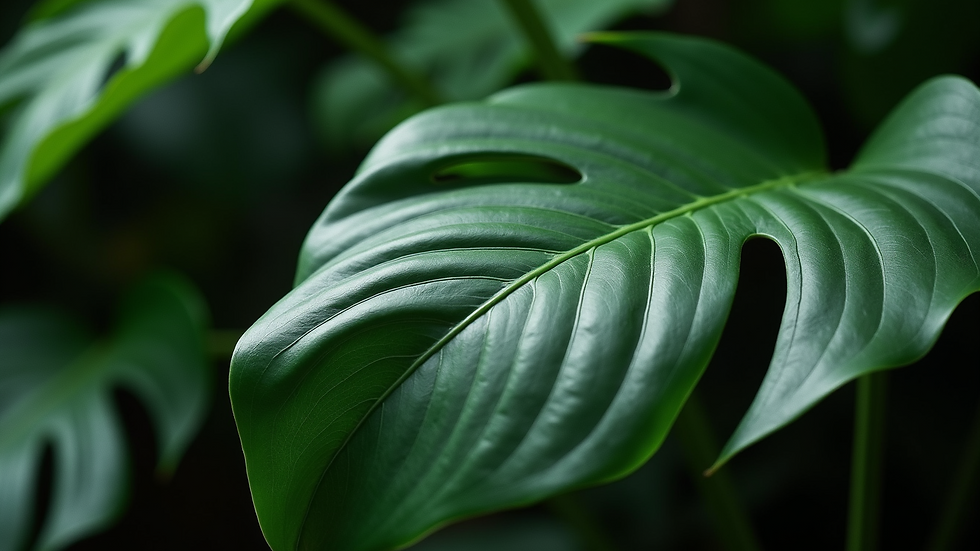
Understanding the origins of monstera deliciosa is essential for providing optimal care. This plant is native to the lush rainforests of Central America, where it thrives in conditions of high humidity and filtered sunlight. As they mature, the leaves develop their characteristic holes and splits, which help them absorb sunlight above the dense forest canopy while reducing wind resistance.
Light Requirements
Monstera deliciosa loves bright, indirect light. It adapts well in spaces that receive filtered sunlight, such as near sheer curtains. If your monstera is placed in a lower light area, growth may slow. You might notice fewer perforated leaves. Allocating a spot that gets about 6-8 hours of indirect light per day will yield healthier leaves.

Watering Your Monstera
Watering can make or break your monstera's health. A reliable rule is to water when the top two inches of the soil feel dry. Overwatering can lead to root rot, which affects nearly 29% of indoor plants. Conversely, underwatering can cause droopy leaves. Ensure you thoroughly water until it drains from the bottom. This creates a healthy moisture level in the soil.
Humidity Levels
Being a tropical species, monstera deliciosa flourishes in humidity levels between 50% and 70%. If your indoor air is dry, especially during winter months, it is wise to up the humidity. You can achieve this by using a humidifier. Alternatively, set a tray of water with pebbles near the plant or mist the leaves occasionally. This simple step can greatly improve leaf aesthetics and overall plant health.
Temperature Considerations
Monstera thrives in temperatures between 65°F and 85°F (18°C to 29°C). Avoid exposing your plant to temperatures below 50°F (10°C) or placing it near drafty doors or windows. Keeping it away from heaters and air conditioning vents will help maintain stable conditions. This promotes healthy growth.
Soil Type
Selecting the right soil is vital for your monstera. It prefers a well-draining potting mix that's rich in organic matter. You can easily create one by combining potting soil, perlite, and orchid bark in equal parts. This blend enhances drainage while ensuring the roots have access to the moisture they need. It reduces the risk of root rot.
Fertilization
During spring and summer—its peak growing season—feeding your monstera will encourage vigorous growth. Aim to use a balanced, water-soluble fertilizer every 4-6 weeks. During the fall and winter, consider reducing or halting fertilization. The plant naturally slows its growth during these months. Thus, excess nutrients aren’t necessary.
Pruning and Maintenance
Regular maintenance is key to keeping your monstera looking its best. Trim away yellowing or damaged leaves to encourage new growth. For extra bushiness, prune back leggy shoots. Additionally, if you want more plants, consider propagating cuttings. Monstera can easily root in water or soil.
Pest Management
Common pests like spider mites, mealybugs, and scale can affect your monstera. They thrive in dry conditions and can cause damage if left unchecked. Inspect your plant regularly, particularly the undersides of leaves. If you find pests, treat them with insecticidal soap or neem oil. Good air circulation is essential to deter pests and promote a healthy growing environment.
Repotting Your Monstera
As your monstera grows, it may require repotting every couple of years, especially when you notice roots poking out from the drainage holes. Choose a new pot that is 1-2 inches wider than the current one. Refresh the soil to provide your plant with fresh nutrients and more room to grow. Allowing the roots to spread can result in leaf size increasing by up to 30%.
Supporting Growth
Because monstera deliciosa is a climbing plant, it benefits from some form of support. Introducing a moss pole or trellis allows the plant to anchor its aerial roots as it climbs. This not only aids in upward growth but also enhances the visual appeal of your indoor jungle.
Common Problems and Solutions
Even with the best intentions, issues can arise. Here are a couple of common concerns and solutions:
Leaves Turning Yellow: This often indicates overwatering or nutrient deficiency. Adjust your watering schedule and check your soil quality for the right balance.
Brown Edges on Leaves: This can be due to low humidity or underwatering. Increase humidity around the plant and maintain consistent watering.
Slow Growth: If growth stalls, assess light conditions. Moving your monstera to a brighter spot can enhance its growth significantly.
Cultivating Your Indoor Jungle
Caring for your monstera deliciosa can become a rewarding and enjoyable hobby. By following these essential care tips, you can successfully nurture a lush indoor jungle filled with striking foliage. By taking the time to meet your plant’s light, water, humidity, and soil needs, you set the stage for its health and vitality.
Additional Tips for Success
Don't forget to regularly check for signs of stress or damage. Monitoring your plant will help you catch any issues early, ensuring a thriving monstera. Remember, a little love and attention can go a long way.
With dedication and regular attention, your monstera will thrive, turning your space into a verdant oasis. Embrace this rewarding journey, and watch your Swiss cheese plant flourish before your eyes. Plus, it’s a great way to create a natural atmosphere in your home. The phrase "urban jungle" perfectly describes the vibe you can achieve!
Enjoy your journey with monstera deliciosa and let its beauty inspire you every day.


Comments